Professional Mosquito Control & Anti-Dengue Fogging in Bahadurgarh
Local Mosquito Control Challenges Across Bahadurgarh
Bahadurgarh is characterized by a dynamic urban landscape featuring plotted residential colonies, modern high-rise apartments in Omaxe City, and extensive footwear and manufacturing factories in MIE. However, the local environmental terrain - characterized by low-lying topography prone to seasonal waterlogging, adjacent to the Tikri drain corridor, with dense clay-silt subsoil - creates intense biological pressures for Mosquito Control. Property owners across Sector 6, 9, 9A, Omaxe City, Modern Industrial Estate (MIE), Tikri Border corridor, Line Par, Jhajjar Road, and Delhi Rohtak Road regularly face severe infestations requiring professional, scientific intervention rather than superficial retail sprays.
In Bahadurgarh, intense seasonal mosquito outbreaks driven by stagnant water accumulation near railway crossings and the Tikri drain corridor. Because local microclimates sustain optimal temperature and moisture levels, infestations multiply rapidly if left unmanaged, quietly undermining structural safety, contaminating food, or disrupting sleep.
Structural Vulnerabilities in Bahadurgarh Properties
Modern properties in Bahadurgarh exhibit distinct architectural traits that pests readily exploit:
- Utility Conduits & Plumbing Chases: In high-rise towers and multi-story builder floors, vertical plumbing stacks and electrical cable conduits serve as unimpeded highways for pests traveling between floors.
- Sub-Slab & Foundation Expansion Joints: Structural settling in Bahadurgarh creates hairline voids beneath ground-level concrete slabs where subterranean insects establish extensive colonies.
- Concealed Modular Kitchen Cavities: Modern modular kitchens provide dark, warm voids behind undermount sinks, microwave housings, and built-in appliances where insects feed and breed undisturbed.
High-Rise Societies vs Plotted Kothis: Customized Bahadurgarh Protocols
Brightstar Pest Control tailors its treatment methodologies to match the specific housing typology of your Bahadurgarh residence:
- High-Rise Apartments: Specialized non-fuming, odorless micro-gel baiting and localized barrier injections designed to eliminate vertical duct migration without disturbing neighbors.
- Independent Villas & Plotted Homes: Intensive structural perimeter trenching, sub-floor injection barriers, and outdoor garden buffer treatments to prevent invasions from surrounding open plots.
- Commercial & Corporate Facilities: Audit-compliant IPM frameworks aligned with ISO, FSSAI, and HACCP standards, complete with computerized inspection logs and after-hours execution.
Rapid Response & Technician Deployment in Bahadurgarh
With dedicated local service hubs operating across Bahadurgarh, Brightstar provides guaranteed same-day inspection and 24-hour rapid emergency response for residential societies, commercial offices, and industrial plants across Sector 6, 9, 9A, Omaxe City, Modern Industrial Estate (MIE), Tikri Border corridor, Line Par, Jhajjar Road, and Delhi Rohtak Road.
Comprehensive Overview of Mosquito Vectors in Urban & Suburban Environments
Mosquitoes (order Diptera, family Culicidae) are universally recognized by the World Health Organization (WHO) as the single deadliest animal family on planet Earth, responsible for causing over 700,000 human fatalities annually worldwide through the biological transmission of debilitating vector-borne pathogens. In rapidly urbanizing metropolitan regions, sprawling residential condominium complexes, construction corridors, and industrial parks, mosquito populations explode wherever artificial water stagnation, unmanaged storm drains, and dense landscaped gardens provide breeding habitats.
Far beyond the agonizing itching, allergic skin welts, and sleep deprivation caused by nocturnal buzzing, mosquitoes represent a severe epidemiological hazard. Female mosquitoes require nutrient-rich mammalian blood meals to obtain essential proteins and iron necessary for embryonic vitellogenesis (egg maturation). In the process of piercing human capillary vessels with their complex serrated proboscis, female mosquitoes inject salivary anticoagulants, immunosuppressive enzymes, and infectious pathogens directly into the human bloodstream. In urban and peri-urban centers across India, the cyclic emergence of mosquito populations triggers devastating seasonal outbreaks of Dengue fever (including life-threatening Dengue Hemorrhagic Fever and Dengue Shock Syndrome), Chikungunya, Malaria (caused by Plasmodium falciparum and Plasmodium vivax), Zika virus, Lymphatic Filariasis, and Japanese Encephalitis.
Distinct Mosquito Species Biology & Breeding Ecology
Formulating a truly comprehensive vector eradication program requires deep entomological expertise, as breeding habitats, active biting hours, flight ranges, and resting behaviors vary fundamentally across species:
Aedes aegypti (The Asian Tiger / Yellow Fever Mosquito): The Urban Daytime Menace
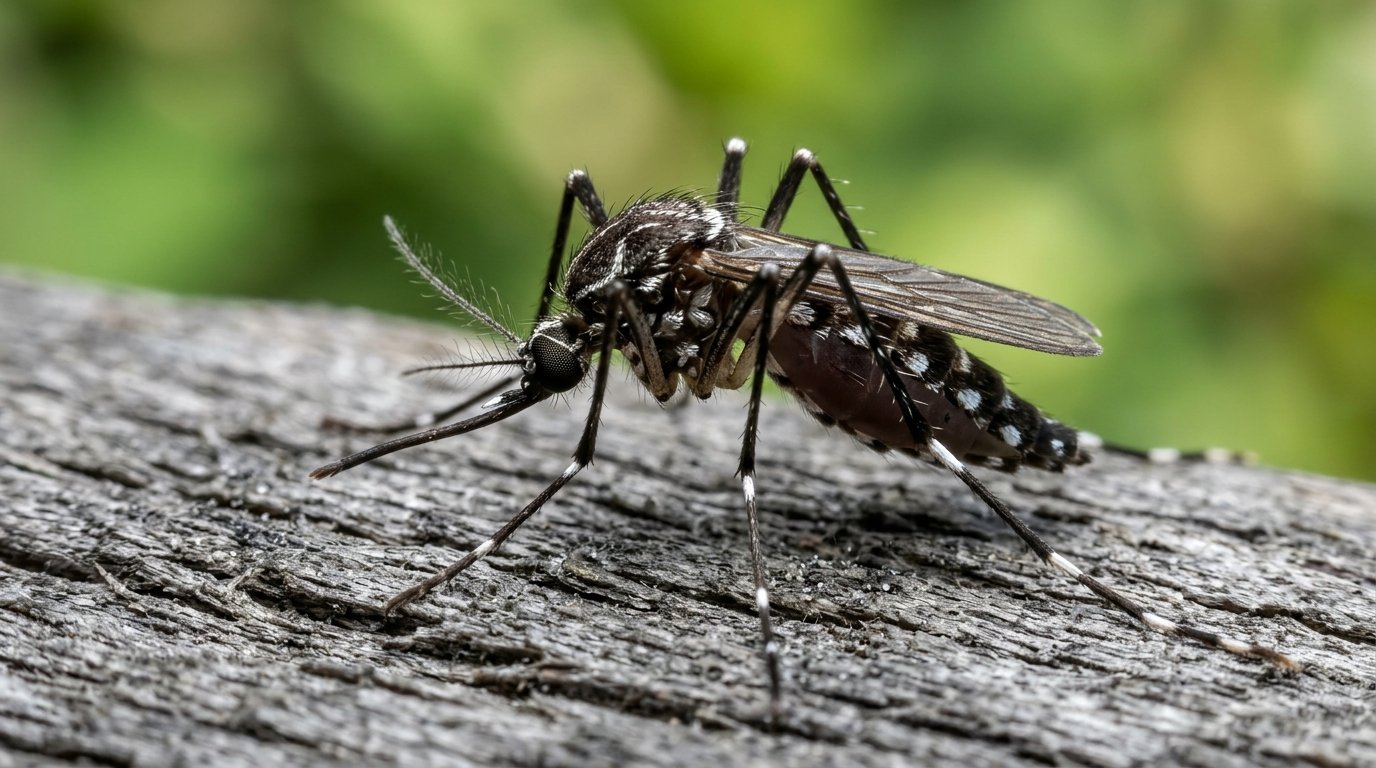
Recognizable by conspicuous white lyre-shaped markings on its dark thorax and white-banded legs, Aedes aegypti is the primary urban vector of Dengue and Chikungunya. Unlike other mosquitoes that breed in dirty wastewater, Aedes is a clean-water container breeder. Females deposit microscopic black eggs singly along the moist inner walls of artificial containers - such as domestic potted plant trays, air cooler water reservoirs, discarded plastic cups, rooftop rainwater tanks, birdbaths, and exterior tires. Aedes eggs possess extraordinary desiccation resistance: they can dry out completely and survive for 9 to 12 months in dry containers, hatching instantly into swimming wrigglers within minutes of being re-submerged in seasonal rainwater.
Crucially, Aedes aegypti is a diurnal biter, exhibiting peak aggressive biting activity during two daytime windows: early morning (two hours after sunrise) and late afternoon before dusk. Furthermore, it is a nervous, skittish feeder; if disturbed, it abruptly aborts feeding and immediately bites another person, allowing a single infected female to transmit the Dengue virus to 4 to 6 family members in a single living room within an hour.
Anopheles stephensi & Anopheles culicifacies: The Nocturnal Malaria Vectors
Anopheles stephensi is the specialized urban malaria vector in India, adapting brilliantly to overhead domestic RCC water storage tanks, rooftop construction curing ponds, and basement sump wells. At rest, adult Anopheles mosquitoes hold their entire body, thorax, and proboscis in a distinctive straight 45-degree angle to the wall surface, unlike Culex or Aedes which sit parallel. Anopheles mosquitoes are strictly nocturnal, emerging after dark to feed silently through the midnight and dawn hours.
Culex quinquefasciatus: The Polluted Wastewater & Filariasis Vector
The southern house mosquito, Culex quinquefasciatus, is a robust, dull brownish mosquito that breeds prolifically in organically polluted, stagnant wastewater - such as open municipal drains, septic tanks, sewage gullies, stagnant construction water, and flooded basements. Females lay up to 300 eggs glued together in floating organic rafts. Culex adults are aggressive nocturnal biters, emitting a high-pitched whine that disturbs sleep and transmitting Lymphatic Filariasis (elephantiasis) and West Nile virus.
Why Single Thermal Fogging Drives and Retail Repellents Fail
When monsoon mosquito swarms overwhelm a neighborhood, resident welfare associations (RWAs) or property owners often hire local contractors for quick outdoor thermal smoke fogging, or plug in electric liquid vaporizers indoors. These temporary measures fail completely to control the population for three fundamental scientific reasons:
Surface Aerosols Only Affect 10% of the Population
Thermal smoke fogging kills only the adult flying mosquitoes directly contacted by airborne chemical smoke particles during the 15-minute fogging window. However, adult flying insects represent less than 10% to 15% of the total mosquito population at any given time. Over 85% to 90% of the population exists in the aquatic stages (eggs, wriggling larvae, and active pupae) submerged safely beneath water surfaces, totally shielded from atmospheric smoke fog. Within 48 to 72 hours, hundreds of thousands of newly emerged adults replace the few that were killed.
Vaporizer Resistance & Health Concerns
Commercial plug-in liquid vaporizers continuously emit low doses of synthetic prallethrin or transfluthrin into closed bedrooms. Decades of chronic exposure have led to documented target-site knockdown resistance (kdr mutations) in urban Culex and Aedes strains. Furthermore, continuous inhalation of synthetic pyrethroid fumes in unventilated bedrooms triggers respiratory irritation, headaches, and eye allergies in young children and elderly asthmatics.
The Science Behind Brightstar’s Targeted Eradication Methodology
Brightstar Pest Control executes a comprehensive Integrated Vector Management (IVM) framework endorsed by the World Health Organization (WHO), combining aquatic larviciding, cold Ultra-Low Volume (ULV) misting, thermal barrier fogging, and Indoor Residual Spraying (IRS):
Biological & Chemical Larvicidal Staging (Breaking the Life Cycle)
The most effective strategy in mosquito abatement is eliminating the aquatic stage before adults can ever develop functional wings and take flight:
- Bio-Larvicides (Bacillus thuringiensis israelensis - BTI): For sensitive water bodies, decorative fish ponds, residential rainwater harvesting tanks, and water coolers, we apply specialized BTI formulations. BTI produces crystalline delta-endotoxin proteins that, when ingested by mosquito larvae, bind exclusively to specific receptors in the alkaline larval midgut, causing cell lysis and mortality within 12 to 24 hours. BTI is 100% non-toxic to fish, frogs, humans, pets, and beneficial aquatic wildlife.
- Insect Growth Regulators (Pyriproxyfen): In drainage channels, sump pits, and construction water bodies, we apply Pyriproxyfen. This juvenile hormone mimic prevents aquatic larvae from pupating into adults, resulting in 100% developmental mortality at microscopic concentrations.
- Chemical Larvicide Concentrates (Temephos 50% EC): In non-potable outdoor drainage gullies and sewage chambers, technicians apply calibrated doses of organophosphate larvicides, establishing an active biological barrier that destroys mosquito larvae for up to 21 days.
Indoor Residual Spraying (IRS) on Resting Micro-Habitats
Mosquitoes spend over 80% of their adult life resting on cool, dark, sheltered surfaces to conserve body moisture and digest blood meals. Brightstar technicians apply advanced odorless micro-encapsulated formulations (such as Deltamethrin 2.5% Flow or Lambda-cyhalothrin 10% CS) on key resting surfaces:
- Behind and beneath sofas, heavy wooden wardrobes, and curtains.
- Under staircases, basement corners, and utility balconies.
- Along bathroom utility walls and laundry shafts.
Micro-encapsulated formulations adhere to masonry and wall paint as invisible microscopic capsules. When resting mosquitoes land on treated surfaces, the capsules adhere to their tarsi (feet) and release the active compound, providing continuous residual protection for up to 60 to 90 days.
Step-by-Step Treatment Architecture
Brightstar executes an intensive four-stage vector abatement protocol:
Stage 1: Complete Breeding Source Audit & Mapping
Our licensed entomologists conduct an exhaustive property survey to locate every potential aquatic breeding site: inspecting roof gutters, AC drain lines, overhead water tank covers, elevator sump pits, potted plant saucers, garden sprinkler manifolds, and stormwater drain grates.
Stage 2: Precision Aquatic Larvicide Deployment
Every confirmed or suspected water-holding location is systematically treated with biological BTI briquettes, granular IGRs, or liquid larvicidal emulsions to destroy active wrigglers and prevent emerging pupae.
Stage 3: Cold Ultra-Low Volume (ULV) Aerosol Misting
Using electric high-pressure ULV cold fogging generators, technicians disperse micro-droplets (15 to 30 microns in diameter) throughout outdoor verandas, entry lobbies, parking garages, and building corridors. Because these cold droplets remain suspended in the air for extended periods, they penetrate dense outdoor shrubbery and breezeways, achieving immediate knockdown of flying adult mosquitoes without oily residues or smoke alarms.
Stage 4: Thermal Fogging for Drains & Dense Exterior Foliage
For extensive residential townships, school campuses, and industrial grounds, technicians deploy pulse-jet thermal foggers fueled with diesel-insecticide formulations. The dense thermal smoke penetrates deep into underground storm sewer lines, thick garden hedges, and dense tree canopies where adult mosquitoes harbor in massive numbers.
Seasonal Surveillance & Long-Term Abatement Monitoring
Brightstar establishes ovitraps (egg-monitoring cups) across client perimeters to continuously monitor seasonal population rebounds, enabling preventative pre-monsoon treatments before community outbreaks occur.
Residential vs Commercial Application Protocols
We tailor our vector control solutions to the specific structural, sanitary, and regulatory demands of each client sector:
Residential Societies, Villas & High-Rise Condominiums
For residential communities, occupant health and pet safety are paramount. We deploy 100% odorless, eco-friendly micro-encapsulated formulations for indoor areas and coordinate outdoor ULV cold misting during early morning or twilight hours when residents and children are indoors. Water cooler tanks and domestic plants are treated exclusively with WHO-approved non-toxic bio-larvicides.
Commercial IT Campuses, Schools, Hospitals & Construction Sites
Commercial campuses, educational institutions, and healthcare centers require stringent regulatory compliance with municipal public health departments and anti-dengue directives. Brightstar provides comprehensive compliance certificates, larviciding inspection logs, safety data sheets (MSDS), and emergency rapid-response teams within 12 hours of any reported dengue or malaria case on campus.
Mosquito Biology, Sensory Targeting & Reproductive Velocity
Understanding mosquito sensory biology explains why they target humans so relentlessly:
- Thermal & Carbon Dioxide Sensors: Mosquitoes possess highly sensitive maxillary palps capable of detecting exhaled carbon dioxide (CO2) plumes from humans at distances exceeding 30 meters. As they approach, thermal infrared receptors on their antennae guide them to exposed, warm capillary-rich skin.
- Lactic Acid & Octenol Attractants: Skin bacteria breakdown products - including lactic acid in human sweat, uric acid, and octenol - serve as powerful secondary chemical cues. Individuals with higher metabolic rates, pregnant women, and exercising athletes attract significantly more mosquito bites.
- Rapid Reproductive Velocity: Under tropical summer conditions (28°C to 34°C), the entire lifecycle of a mosquito - from egg to swimming wriggler (larva), comma-shaped tumbler (pupa), and flying adult - takes as little as 7 to 10 days. A single female produces up to 1,000 eggs during her 3 to 6-week lifespan.
Seasonal Lifecycle & Peak Infestation Windows
In northern and central India, mosquito breeding follows two distinct peak surges. The primary crisis window begins with the onset of the monsoon in July and extends through the humid post-monsoon months of October and November, when pooling rainwater creates endless breeding sites for Aedes and Anopheles. A secondary surge occurs in the mild spring transition (February to April), when rising temperatures awaken overwintering Culex populations in stagnant wastewater drains.
Key Infestation Warning Signs Every Property Owner Must Recognize:
- Persistent Daytime Biting: Experiencing aggressive bites around the ankles and wrists while sitting indoors or on verandas during daylight hours.
- Swimming Wrigglers in Water: Visible tiny, energetic squirming larvae flexing in an S-shape inside flower pots, water cooler tanks, or balcony drain pans.
- Nocturnal High-Pitched Buzzing: Audible whining near ears when lights are turned off at night, signaling host-seeking Culex or Anopheles females.
- Dark Clusters on Shaded Walls: Groups of resting adult mosquitoes gathered on dark laundry, beneath staircases, or behind curtains during the heat of the afternoon.
- Neighborhood Vector-Borne Cases: Any reported cases of Dengue, Malaria, or Chikungunya among family members, neighbors, or workplace colleagues.
Pre-Treatment and Post-Treatment Checklist for Property Owners
Property owners can maximize treatment efficacy by observing the following guidelines:
Pre-Treatment Preparation Steps:
- Empty, scrub, and thoroughly dry all desert cooler trays, flower pot saucers, and decorative water bowls.
- Ensure overhead water storage tanks and ground-level cisterns are fitted with airtight, undamaged lids.
- Clear dense, rotting leaf litter and organic mulch from exterior garden beds and roof drain gutters.
- Close all exterior windows and doors during outdoor thermal fogging or ULV misting sessions for at least 30 minutes.
Post-Treatment Maintenance Rules:
- Inspect outdoor balconies and gardens weekly to ensure zero water stagnation in plastic containers, toys, or tarpaulins.
- Do not wipe down or paint over interior walls treated with micro-encapsulated Indoor Residual Spray for at least 3 to 4 weeks.
- Keep fine-mesh stainless steel or nylon insect screens installed on all openable windows and balcony doors.
- Replace water in indoor lucky bamboo, money plants, or pet water bowls at least once every 48 to 72 hours.
Why Brightstar Pest Control is the Premier Extermination Authority
Brightstar Pest Control delivers an unmatched standard in professional mosquito management. We reject quick superficial smoke drives that only disperse adult swarms for a few hours. By deploying our integrated three-tier protocol - targeting aquatic larvae with non-toxic bio-larvicides, knocking down flying adults with cold ULV misting, and establishing 90-day residual barriers on indoor resting walls - Brightstar provides comprehensive, long-term protection against Dengue, Malaria, and Chikungunya. Backed by seasonal AMC contracts with scheduled bi-weekly or monthly treatments, Brightstar keeps your living and working environments safe, peaceful, and bite-free.
Holistic Vector Management & Indoor Sanitation in Bahadurgarh
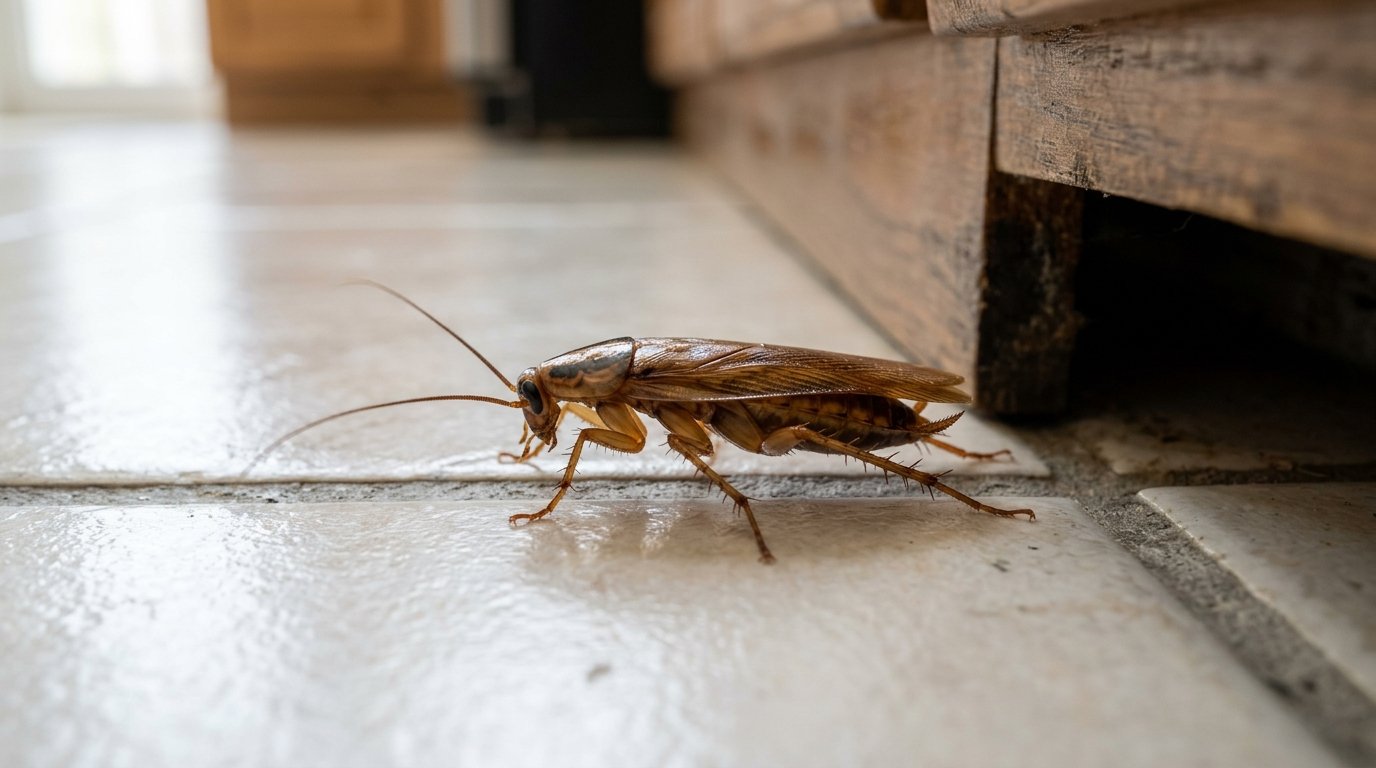
While biological larvicides and ULV cold misting eradicate outdoor and indoor mosquito swarms, stagnant water and high humidity also encourage silverfish and cockroaches. Safeguard your family with our complementary General Pest Management Services in Bahadurgarh and Drain Cockroach Barrier Treatments in Bahadurgarh.
Why Brightstar is Rated the Best Mosquito Control Provider Near Me in Bahadurgarh
When searching for the best mosquito control near me or a trusted, certified mosquito control provider in Bahadurgarh, property owners demand three non-negotiable qualities: proven biological elimination, transparent and affordable pricing, and absolute safety for family members and pets. Brightstar Pest Control has earned its reputation as the top-rated pest control company in Bahadurgarh & Nearby Areas by delivering verified results backed by documented warranties rather than empty claims.
Whether you require emergency same-day treatment for a sudden residential infestation or a planned commercial maintenance contract across Sector 6, 9, Omaxe City, Modern Industrial Estate (MIE), and Tikri Border corridor, our locally deployed, certified exterminators arrive equipped with advanced diagnostic tools, hospital-grade odorless chemistries, and specialized application machinery.
Key Factors That Make Brightstar the #1 Mosquito Control Agency in Bahadurgarh & Nearby Areas
- Prompt Same-Day Doorstep Service Near You: With mobile rapid-response units stationed strategically across Sector 6, 9, Omaxe City, Modern Industrial Estate (MIE), and Tikri Border corridor, our technicians reach your home or business within 2 to 4 hours of booking, providing immediate relief from active infestations.
- Transparent & Affordable Mosquito Control Charges: We believe in honest, upfront pricing with zero hidden fees. Our customized quotations are calculated transparently based on property carpet area (1 BHK, 2 BHK, 3 BHK, independent villas, or commercial square footage).
- 100% Odorless, Pet-Safe & Government-Approved Formulations: We exclusively deploy formulations approved by the Central Insecticides Board (CIB) and certified by the World Health Organization (WHO) as low-mammalian toxicity, ensuring complete safety for infants, elderly relatives, and household pets.
- Written Service Guarantee with Free Re-Treatments: Every treatment is backed by an official written warranty certificate. If target pests reappear during your warranty period, our team provides 100% free re-inspections and corrective treatments within 24 hours.
- Certified & Background-Verified Exterminators: Our technicians undergo rigorous entomological training, practical field certifications, and thorough background checks, ensuring utmost safety, discretion, and professionalism inside your private living spaces.
How Our Mosquito Control Pricing & Inspection Process Works
Unlike uncertified local contractors who quote arbitrary prices on arrival, Brightstar operates under a standardized, transparent rate framework. When you schedule an appointment, our senior diagnostics specialist conducts a comprehensive structural inspection to evaluate infestation severity, map entry pathways, and provide you with a written quotation detailing the exact chemical active ingredients, treatment methodology, and warranty duration before any work commences.
Book the Best Mosquito Control Service Near You Today
Don’t let persistent pests compromise your family’s health or damage valuable property woodwork and furnishings. Contact Brightstar Pest Control today to consult with our licensed entomologists and experience why thousands of homeowners and businesses rate us as the premier mosquito control company near me in Bahadurgarh.